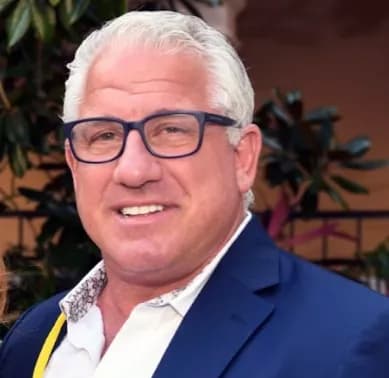
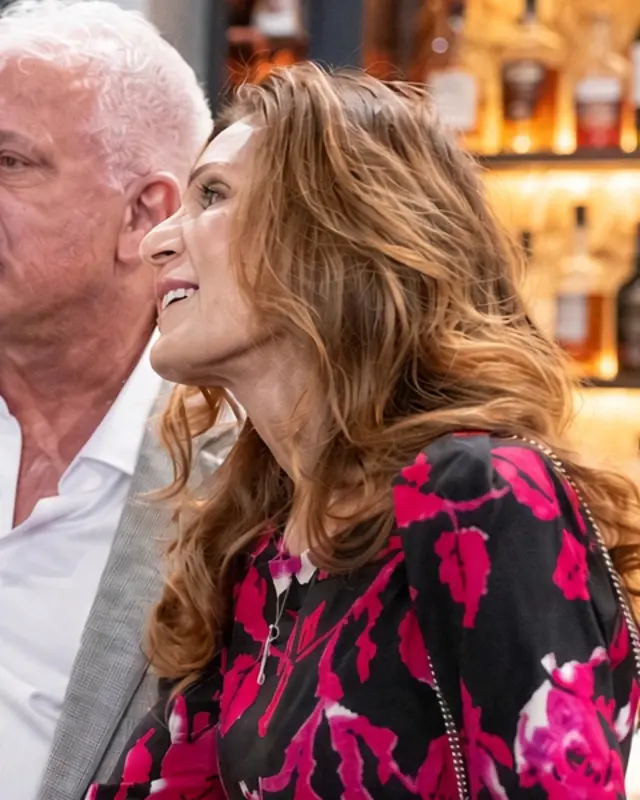
Led by co-chairs Dr. Gary Kompothecras and his wife, Beth, whose family’s fight with autism became a national mission, and close allies of Robert F. Kennedy Jr. and the MAHA agenda.
Trial lawyer Robert Barnes on the President’s vaccine-schedule action, quoting the viral “72 to 11” clip: “Kennedy is the saving grace of this administration.”
Accountability for the agencies and companies that set and profit from the childhood schedule, and a fair hearing for the families who say their children were harmed.
Expose causes
Original reporting and evidence review on what changed as autism rose from roughly 1 in 150 to 1 in 31, including the questions federal agencies are now reopening.
Protect families
Informed parental consent, transparent schedule-setting, and practical support and referrals for affected families and caregivers.
The Autism Justice Foundation is led by its co-chairs, Dr. Gary Kompothecras and his wife, Beth. For Gary the cause is personal: two of his children, Bronson and Sarah Alice, were diagnosed with autism as toddlers, and their experience ignited a lifelong mission to expose and halt what he believes are preventable causes of autism.
For more than two decades Gary has pushed for legislation to limit thimerosal in vaccines, funded screenings of “VAXXED,” and absorbed the public attacks that came with challenging the medical consensus. Beth stands beside him as co-chair, sharing the Foundation’s mission for autism awareness, informed consent, and support for affected families.
Today that mission has allies at the highest level. Gary and Beth share a close relationship with Robert F. Kennedy Jr., now Secretary of Health and Human Services, and support the Make America Healthy Again agenda that is finally putting the causes of autism on the federal record.
This is the McCullough Foundation’s newest paper, posted today, and it uses the federal government’s own National Health Interview Survey rather than a private dataset. That makes it easy for anyone, including HHS, to check. It is a preprint and has not been peer-reviewed yet.
Trump proposes splitting childhood vaccines into five smaller doses
Standing with Secretary Kennedy on September 18, the President announces a plan to recommend certain childhood vaccines be given as five separate doses, each about a fifth of the standard amount, six months apart. It is a statement of intent, not a rule. The First Circuit hears the schedule appeal on October 6, 2026.
September 2026
NIH finalizes the $51M Autism Data Science Initiative
The NIH commits roughly $51 million across 13 projects studying autism causes and prevalence from existing datasets. None of the 13 awards examine vaccines; the vaccine question sits with the separate CDC no-bid contract to Rensselaer Polytechnic Institute, which has released no findings as of late September 2026.
September 2026
McCullough Foundation epidemiologist testifies to Michigan House on vaccinated-vs-unvaccinated data
Nicolas Hulscher testifies before the Michigan House Oversight Subcommittee on the Child Welfare System, presenting a reanalysis of Henry Ford Health data that he says shows a 180% higher autism rate in vaccinated children. Independent researchers dispute the methodology; the mainstream consensus finds no causal link.
August 2026
Executive Order 14420 sets the childhood schedule at 11 diseases
Signed August 10, 2026, “Delivering Gold Standard Childhood Vaccine Recommendations for Americans” limits routine childhood immunizations to 11 diseases (from 18), directs HHS to plan for MMR as three separate shots once domestically available, and encourages separate visits for each vaccine.
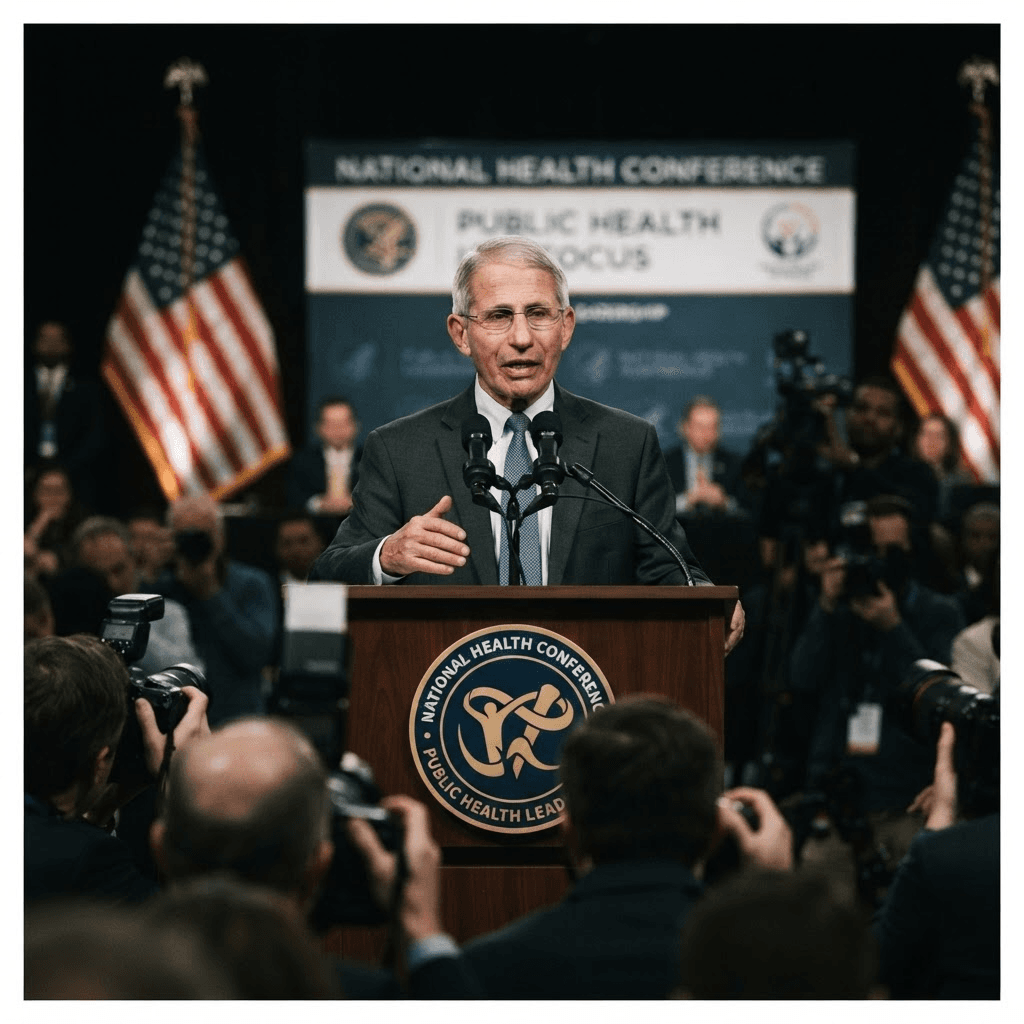
A sitting HHS Secretary telling a movement conference that his agency is investigating vaccine-autism links is itself the story, a reversal of decades of federal posture, stated in his own words.
The vaccinated-vs-unvaccinated argument is now moving from journals into sworn testimony before state legislatures, exactly the venue where school-mandate policy is decided.
This is the first time a President, rather than an advisory committee, has set the shape of the childhood vaccine schedule by executive action. Whatever the courts decide about the ACIP votes, the order itself is now part of the permanent record and worth reading in full.
Aluminum adjuvants are the movement's newest scientific front, a shift from the older thimerosal argument toward the mechanism debate now driving federal research requests.
The autism-vaccine question is no longer confined to advocacy conferences. It now surfaces in sworn testimony before House and Senate committees, and how the Secretary and other nominees answer under oath goes straight into the public record.
The Vaccine Injury Table defines what the government will compensate. A petition to expand it by hundreds of conditions, filed by petitioners aligned with the HHS Secretary, would reshape the entire no-fault compensation system if adopted.
Government documents, hearing records, movement papers, and mainstream studies behind the reform debate, each labeled for what it is and linked to its primary source.