States move on vaccine exemptions: Texas, Louisiana, West Virginia
Why it matters
The exemption fight is moving to the states in parallel with federal action. How Texas, Louisiana, and West Virginia draw the lines on religious and conscience exemptions will shape school-entry policy for millions of children.
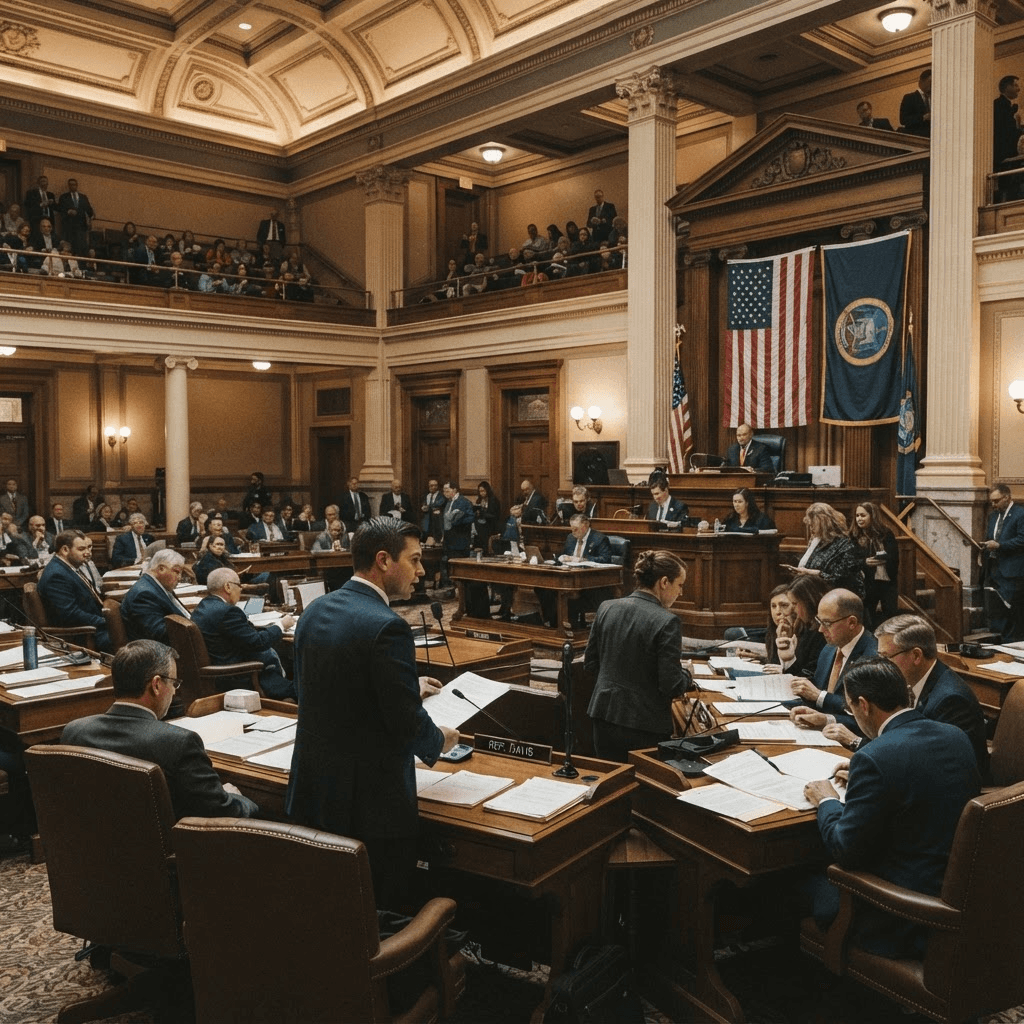
In 2026, several states advanced vaccine-exemption legislation. Texas passed HB 1586, requiring the Department of State Health Services to post a printable exemption affidavit for school enrollment, and SB 407, directing healthcare facilities to include and accept conscience-based exemptions.
Louisiana introduced the Medical Freedom Act (HB 1041), which would bar government and business entities from mandating medical interventions, including vaccines, as a condition of services, employment, or education, while preserving existing exemption procedures.
West Virginia, historically one of the strictest states, saw multiple bills (HB 5378, SB 608, HB 4947) to establish religious and philosophical exemptions. As of May 2026, however, the state Board of Education directed schools not to accept religious exemptions pending judicial guidance, leaving the question unsettled.
In Idaho, 2026 legislation (House Bills 574 and 808) was introduced to further restrict medical mandates and strengthen parental-rights provisions around immunization registries. One caveat worth keeping straight across all of these: some change the required schedule, others only the exemption paperwork around it.
Related coverage

New McCullough Foundation study: COVID-vaccinated children show higher odds of autism and ADHD in federal survey data
This is the McCullough Foundation’s newest paper, posted today, and it uses the federal government’s own National Health Interview Survey rather than a private dataset. That makes it easy for anyone, including HHS, to check. It is a preprint and has not been peer-reviewed yet.

NIH finalizes its $51 million autism research initiative: 13 projects, none on vaccines
The administration promised a hard look at what causes autism. The money is now committed, and it is worth being precise about where it went: the largest federal award pool of the year funds thirteen projects, and not one of them studies vaccines. The vaccine question sits with a separate, much smaller contract that has yet to report anything.
 Post
“Kennedy is the saving grace”: Trump moves to remake the childhood schedule, and what is actually in force
In the span of six weeks the President signed an order cutting routine childhood vaccines from 18 diseases to 11, then stood beside Robert F. Kennedy Jr. and proposed splitting shots into five smaller doses. A viral clip called it a schedule of 72 shots reduced to 11 “by the stroke of a pen.” That is the biggest shift in federal vaccine posture in a generation, and it is also not yet law. Here is the record, and the reaction, side by side.