Kennedy defends CDC shakeup and ACIP overhaul before Senate Finance Committee
Why it matters
The clearest public account, under oath, of how far Kennedy has moved to remake the federal vaccine-advisory apparatus, and of the bipartisan resistance he faces.
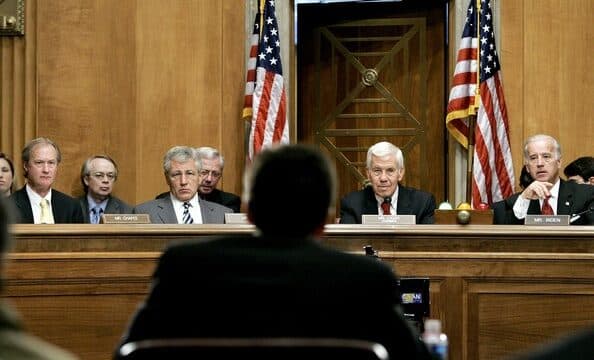
On September 4, 2025, HHS Secretary Robert F. Kennedy Jr. testified before the Senate Finance Committee on the administration’s health agenda and recent turmoil at the CDC.
Kennedy defended his removal of CDC Director Susan Monarez and the replacement of all 17 members of the Advisory Committee on Immunization Practices (ACIP), describing the actions as necessary to remove conflicts of interest and restore scientific integrity. He reiterated claims linking vaccines to autism and questioned aspects of vaccine safety.
He drew bipartisan criticism over his management of the public-health agencies and his vaccine policy. The exchange is preserved in the committee record.
Related coverage

NIH finalizes its $51 million autism research initiative: 13 projects, none on vaccines
The administration promised a hard look at what causes autism. The money is now committed, and it is worth being precise about where it went: the largest federal award pool of the year funds thirteen projects, and not one of them studies vaccines. The vaccine question sits with a separate, much smaller contract that has yet to report anything.
 Post
“Kennedy is the saving grace”: Trump moves to remake the childhood schedule, and what is actually in force
In the span of six weeks the President signed an order cutting routine childhood vaccines from 18 diseases to 11, then stood beside Robert F. Kennedy Jr. and proposed splitting shots into five smaller doses. A viral clip called it a schedule of 72 shots reduced to 11 “by the stroke of a pen.” That is the biggest shift in federal vaccine posture in a generation, and it is also not yet law. Here is the record, and the reaction, side by side.

The record behind the witness: Hulscher's 39 studies and why legislators keep calling him
Nicolas Hulscher has become the reform movement's most-requested expert witness, appearing before both the U.S. Senate and the Michigan House inside a single year. Behind those appearances is a specific, checkable body of published work, and readers deserve to see what it actually consists of rather than take the label 'epidemiologist' on faith.