Kennedy calls rising autism prevalence a “preventable” epidemic as CDC reports 1 in 31
Why it matters
This press conference set the administration’s frame: that the autism rise is not an artifact of better screening but a preventable epidemic with environmental causes, the premise behind every action that followed.
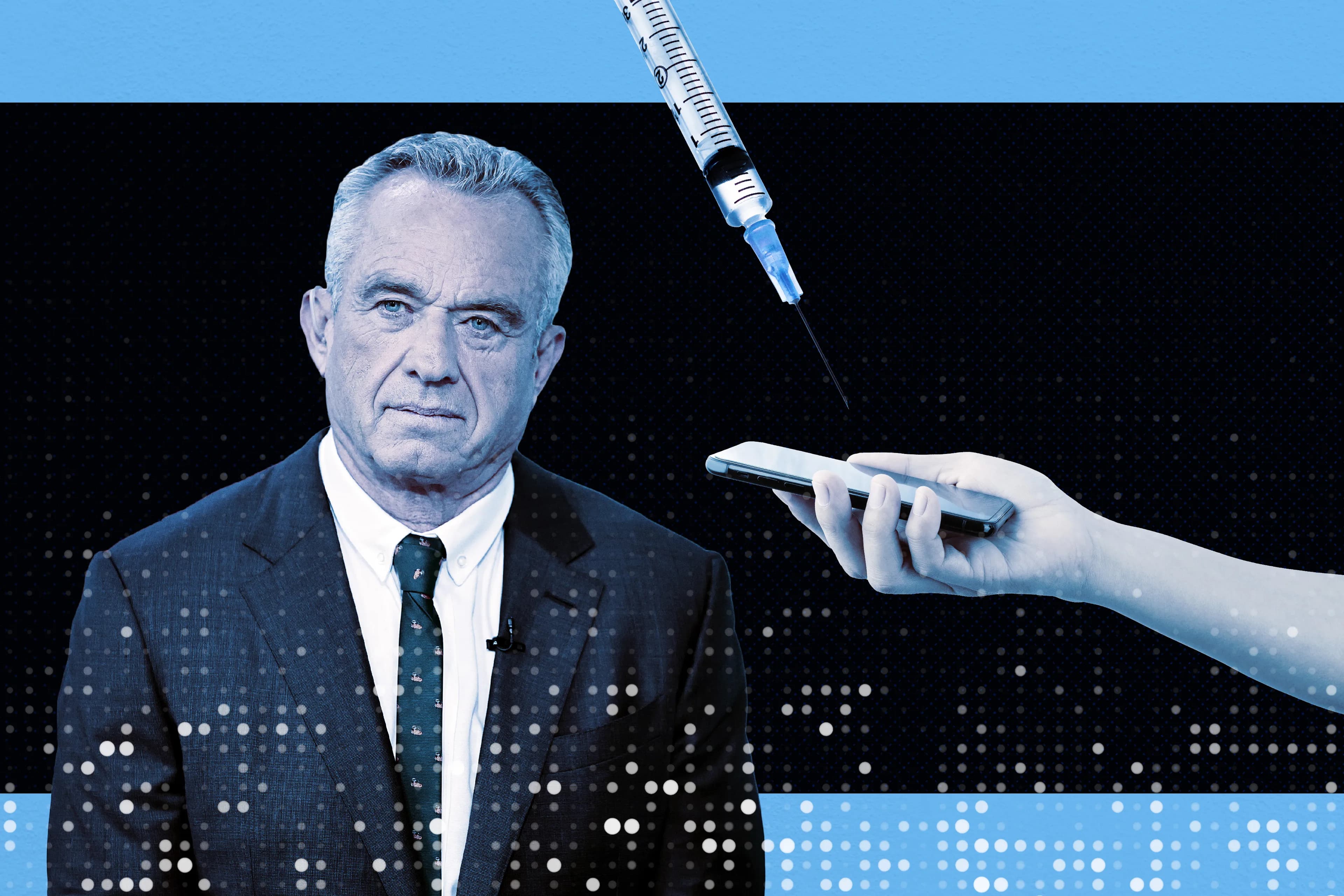
On April 16, 2025, HHS Secretary Robert F. Kennedy Jr. held a press conference responding to a new CDC report showing autism prevalence among U.S. children had risen to 1 in 31, up from 1 in 36 in 2020.
Kennedy characterized the increase as a preventable epidemic driven by environmental toxins, rejecting the mainstream view that improved screening and awareness are the primary drivers of the trend. He announced that the NIH would launch studies to identify specific environmental culprits, among them food additives, pesticides, and mold, with initial findings expected by September.
Researchers and autism-advocacy groups disputed the “preventable epidemic” framing and the dismissal of diagnostic factors. The remarks anchored the administration’s autism agenda for the rest of the year.
Related coverage

New McCullough Foundation study: COVID-vaccinated children show higher odds of autism and ADHD in federal survey data
This is the McCullough Foundation’s newest paper, posted today, and it uses the federal government’s own National Health Interview Survey rather than a private dataset. That makes it easy for anyone, including HHS, to check. It is a preprint and has not been peer-reviewed yet.

NIH finalizes its $51 million autism research initiative: 13 projects, none on vaccines
The administration promised a hard look at what causes autism. The money is now committed, and it is worth being precise about where it went: the largest federal award pool of the year funds thirteen projects, and not one of them studies vaccines. The vaccine question sits with a separate, much smaller contract that has yet to report anything.
 Post
“Kennedy is the saving grace”: Trump moves to remake the childhood schedule, and what is actually in force
In the span of six weeks the President signed an order cutting routine childhood vaccines from 18 diseases to 11, then stood beside Robert F. Kennedy Jr. and proposed splitting shots into five smaller doses. A viral clip called it a schedule of 72 shots reduced to 11 “by the stroke of a pen.” That is the biggest shift in federal vaccine posture in a generation, and it is also not yet law. Here is the record, and the reaction, side by side.